

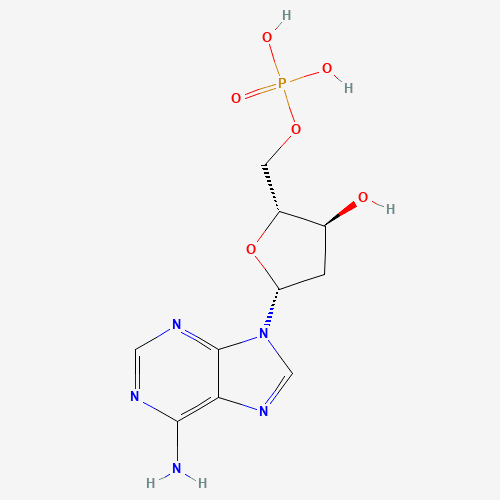
Polynucleotides (PDRN/PN)
PDRN · PN · polidesossiribonucleotide
Skin biostimulation and regeneration: hydration, skin quality, support to healing.
The grade answers: What does the human evidence support for: Skin biostimulation?
Grade
Insufficient
The grade rates evidence quality — it is not advice to take or buy.
- Class
- Regenerative
- Primary use
- Skin biostimulation
- Evidence strength
- low
- Last reviewed
- 2026-06-01
Professional use
Administered in a clinical or professional setting, not sold at retail. No commercial offers on this page.
Failed to deliver
- How it's sold
- Skin biostimulation that regenerates tissue from within.
- What the studies show
- Heavily marketed in aesthetic clinics. Independent human evidence is far thinner than the promotion implies, which is why this entry is graded F rather than left ungraded.
The attention level is our editorial estimate of public interest, not a measurement. Evidence is derived from the A–F grade. These two diverge sharply here: it is talked about considerably more than it has been shown to do.
Bottom line
Everywhere in aesthetic clinics, thin in independent evidence. Most studies are small, short and industry-linked with surrogate endpoints — so today it earns an F, and the grade can rise the day solid independent RCTs land.
Review in progress: the grade will be assigned once the source analysis is complete.
What the evidence says
Key studies
- [1]
Literature on polynucleotides and skin (PubMed search) · review
Starting point for the ongoing review; the grade will be assigned at closure.
Open on PubMed ↗
Scoped PubMed search, not a curated bibliography: the individual PMIDs for this entry have not yet been verified one by one. For that reason it is not used to support a high grade and is awaiting review.
Mechanism
Safety
Dosage context
Examples of application
- Delivered as in-clinic injectable treatments by professionals.
- Marketed for skin biostimulation; independent evidence is thin.
- A medical/aesthetic procedure, not an at-home product.
From the field
It's one of the most aggressively marketed molecules in aesthetics right now. Knowing how it's sold, the gap between the hype and the independent evidence is wide — that's exactly why it gets an F today, not a pass. The grade can rise the day solid independent RCTs land.
Follow this entry
We'll tell you if the grade for Polynucleotides (PDRN/PN) changes.
One review a week: new evidence, grade changes and what was updated. No hype, no promotions disguised as news.