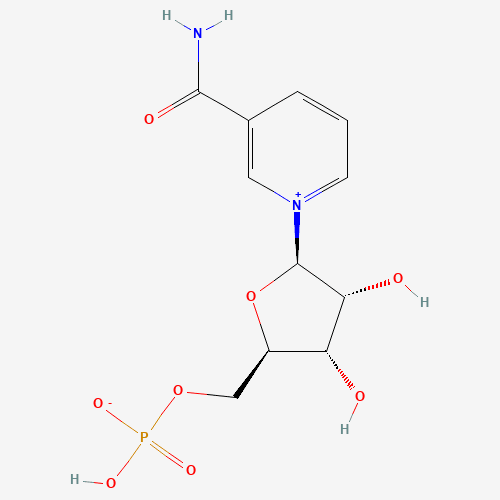
NMN
Nicotinamide Mononucleotide · NAD+ precursor
NAD⁺ precursor: more cellular energy and a possible anti-aging effect.
The grade answers: What does the human evidence support for: NAD⁺ and metabolic support?
Grade
Moderate
The grade rates evidence quality — it is not advice to take or buy.
- Class
- Cellular metabolism
- Primary use
- NAD⁺ and metabolic support
- Evidence strength
- medium
- Last reviewed
- 2026-06-15
Not EU authorised
Not authorised as a novel food in the European Union. Sale as a supplement in Italy is not permitted. You will still find it online: that means the seller is operating outside the rules, not that the rules don't exist.
Source: Non autorizzato come novel food UE. Parere EFSA positivo (mag 2026) su un singolo prodotto; autorizzazione della Commissione non ancora concessa
- How it's sold
- The NAD+ precursor that reverses cellular aging.
- What the studies show
- Human trials reliably raise blood NAD+. Whether raising it changes how you age has not been shown — those are two different questions, and only the first has been answered.
The attention level is our editorial estimate of public interest, not a measurement. Evidence is derived from the A–F grade.
Bottom line
Reliably raises blood NAD⁺ in humans; a real clinical benefit is biologically plausible but not yet proven — hence grade B.
What the evidence says
Key studies
- [1]
12-week NMN in older adults: blood NAD, walking speed and sleep (GeroScience, 2024) · RCT
Randomised, placebo-controlled, double-blind, 60 participants. Blood NAD rose and walking speed was maintained — maintained, not improved.
PMID 38789831 — read the article ↗ - [2]
NMN and muscle insulin sensitivity in prediabetic women (Science, 2021) · RCT
10 weeks, randomised, placebo-controlled, postmenopausal women with prediabetes. Muscle insulin sensitivity improved; other metabolic measures did not shift.
PMID 33888596 — read the article ↗ - [3]
NMN in healthy middle-aged adults, dose-dependent (GeroScience, 2023) · RCT
80 adults, multicentre, dose-ranging. Animal data on healthspan and lifespan does not transfer automatically to humans — the paper says so itself.
PMID 36482258 — read the article ↗
Mechanism
Safety
Dosage context
Examples of application
- Taken as a morning capsule, often within a NAD⁺-support routine.
- Used in defined cycles with periodic reassessment, not indefinitely.
- Treated as an add-on to sleep, exercise and diet — which matter more.
From the field
We follow NMN trial by trial and we know how it's sold: the NAD⁺ numbers are real, but the leap 'more NAD⁺ = live better' is not yet proven in humans. Hence grade B.
Related molecules
Follow this entry
We'll tell you if the grade for NMN changes.
One review a week: new evidence, grade changes and what was updated. No hype, no promotions disguised as news.