

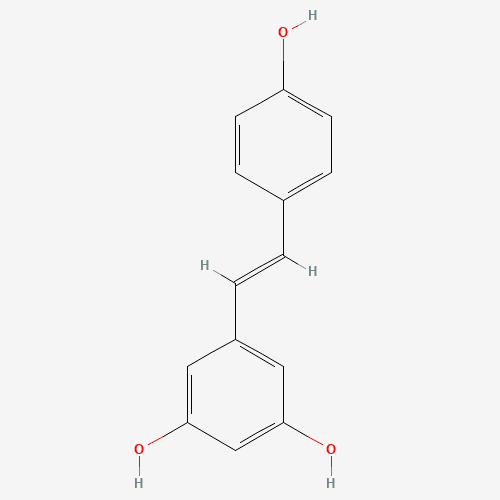
Resveratrol
resveratrol · trans-resveratrol
An 'anti-aging' polyphenol claimed to activate sirtuins.
The grade answers: What does the human evidence support for: Sirtuin / antioxidant activity?
Grade
Limited
The grade rates evidence quality — it is not advice to take or buy.
- Class
- Antioxidants
- Primary use
- Sirtuin / antioxidant activity
- Evidence strength
- low
- Last reviewed
- 2025-09-01
Bottom line
Impressive in a petri dish, inconsistent in people. Poor absorption means most of a dose never reaches tissues intact — the clearest lesson in why cell data don't equal human benefit.
What the evidence says
Key studies
- [1]
Calorie-restriction-like effects of resveratrol in humans · RCT
An early positive metabolic signal in a small trial — not consistently reproduced.
Open on PubMed ↗ - [2]
Resveratrol supplementation: systematic review of human trials · review
Across trials, effects on hard clinical outcomes are inconsistent.
Open on PubMed ↗ - [3]
Bioavailability and metabolism of oral resveratrol · pharmacokinetic
Explains the gap: rapid conjugation leaves little free compound in circulation.
Open on PubMed ↗
Scoped PubMed search, not a curated bibliography: the individual PMIDs for this entry have not yet been verified one by one. For that reason it is not used to support a high grade and is awaiting review.
Mechanism
Safety
Dosage context
Examples of application
- Taken with a fatty meal to blunt the poor absorption a little.
- Often combined with pterostilbene, sold on better bioavailability.
- Cheap to try, but with weak human evidence.
From the field
A classic case where preclinical enthusiasm didn't translate to people. We keep resveratrol at C not because it's unsafe, but because the human evidence never matched the marketing.
Related molecules
Follow this entry
We'll tell you if the grade for Resveratrol changes.
One review a week: new evidence, grade changes and what was updated. No hype, no promotions disguised as news.