

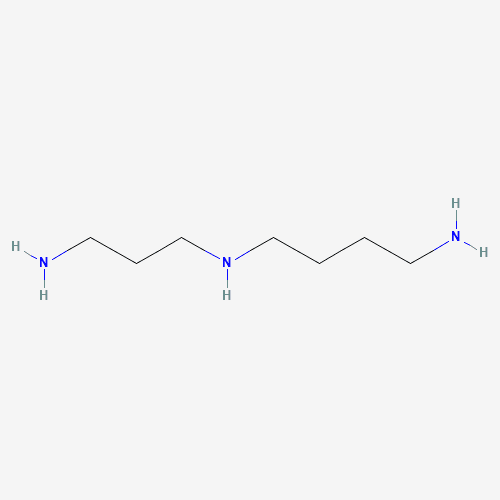
Spermidine
spermidine
A polyamine that induces autophagy and may support longevity.
The grade answers: What does the human evidence support for: Autophagy induction?
Grade
Moderate
The grade rates evidence quality — it is not advice to take or buy.
- Class
- Autophagy
- Primary use
- Autophagy induction
- Evidence strength
- medium
- Last reviewed
- 2025-09-01
EU authorised
Authorised as a novel food in the European Union. It can be lawfully sold as a supplement in Italy.
Source: Estratto di germe di grano ricco di spermidina — Reg. di esecuzione (UE) 2020/443, max 6 mg/die
Bottom line
One of the more credible dietary longevity candidates: it's already in food, animal data are strong, and early human trials on autophagy and memory are encouraging — but the large confirmatory RCTs aren't in yet.
What the evidence says
Key studies
- [1]
Spermidine intake and mortality in population cohorts · observational
Higher dietary spermidine associated with lower mortality — hypothesis-generating, not causal.
Open on PubMed ↗ - [2]
Spermidine and memory performance in older adults (pilot RCT) · RCT
Early cognitive signal in adults at risk for dementia; small and short.
Open on PubMed ↗ - [3]
Spermidine, autophagy and cardiovascular aging (review) · review
Synthesises the mechanistic and animal case.
Open on PubMed ↗
Scoped PubMed search, not a curated bibliography: the individual PMIDs for this entry have not yet been verified one by one. For that reason it is not used to support a high grade and is awaiting review.
Mechanism
Safety
Dosage context
Examples of application
- Taken as a standardised wheat-germ extract (~1–6 mg/day).
- Also raised simply by eating wheat germ, legumes and aged cheese.
- Treated as a long-game dietary habit, not a quick fix.
From the field
Among the polyamines, spermidine has the most promising human base — which is exactly why we resist overselling it. B means 'worth watching and reasonable to get from diet', not 'proven pill'.
Related molecules
Follow this entry
We'll tell you if the grade for Spermidine changes.
One review a week: new evidence, grade changes and what was updated. No hype, no promotions disguised as news.